
What to bring on a trek in Nepal
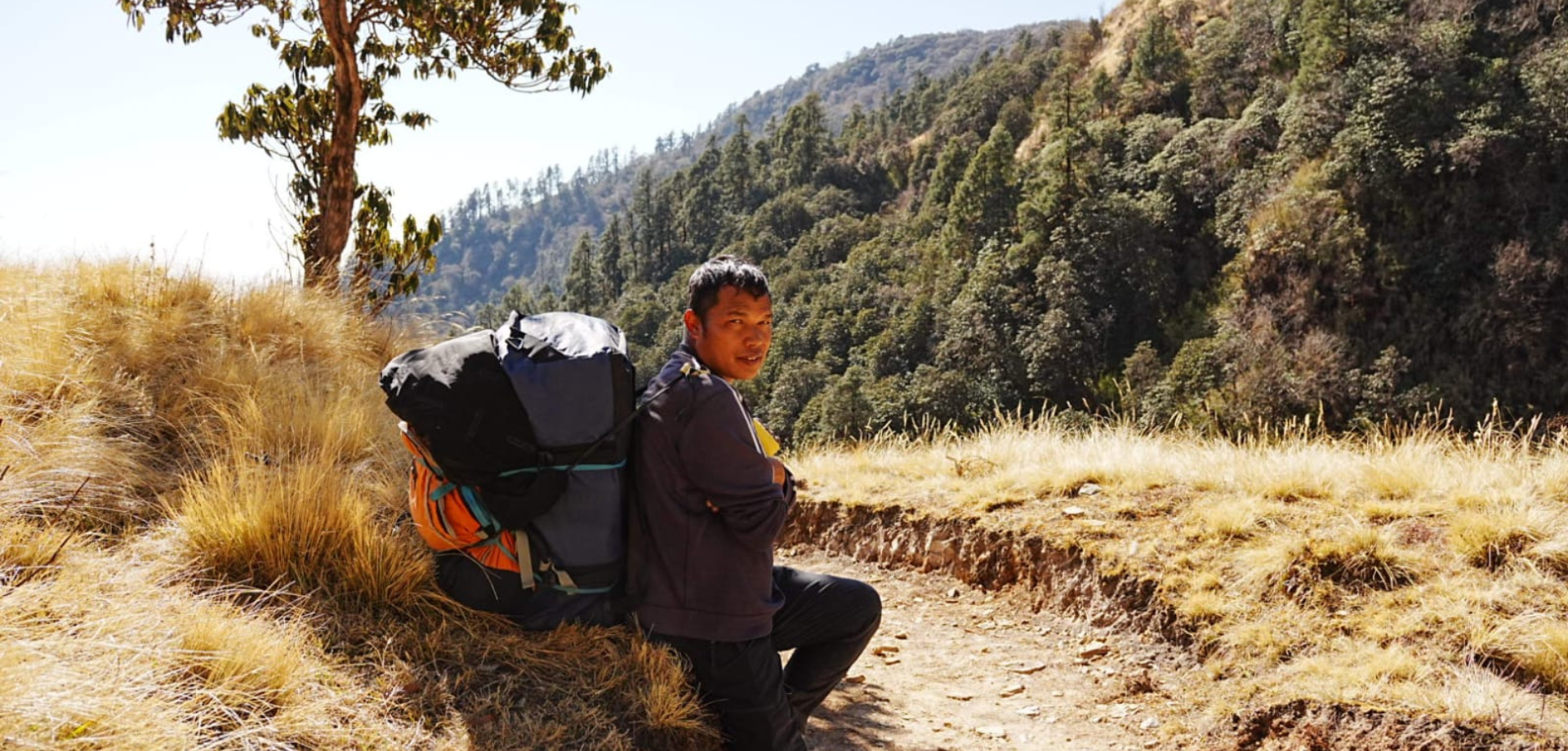
What to bring on a trek in Nepal? Packing list for trekking in Nepal.
What do you pack for a trek in Nepal? Do you have a packing list for trekking in Nepal? It’s a question we often get from travelers planning their first Himalayan adventure. And rightly so: being well-prepared can make the difference between enjoyment and suffering. Nepal is no ordinary hiking destination. The altitude can be fickle, the challenging, and the conditions primitive—especially if you’re venturing into the mountains for several days or weeks.
We’ve done quite a few treks in Nepal ourselves – from the popular Everest Base Camp to the more remote Manaslu Circuit – and in this blog post, we’ll share our personal packing list and tips. Not a standard list, but a practical guide based on what we actually use in the mountains. Whether you’re an adventurous solo trekker or venturing into the Himalayas with your family, this checklist will help you know exactly what’s essential for a trek in Nepal.

-
Clothes: layers, layers, layers
The weather in the Himalayas is unpredictable. You might start in a T-shirt under the sun and end up in a down jacket with frozen toes in the evening. The secret? Layers!
Our essentials:
- Thermal underwear – Essential for cold nights at altitude.
- Two hiking pants – One lighter and one water-repellent or zip-off.
- Quick-drying T-shirt (2-3 pieces) – No cotton! Choose synthetic or merino wool.
- Fleece sweater – Light and warm.
- Down jacket – Compact, light and a lifesaver at 4000+ meters.
- Raincoat or poncho – Especially during the monsoon season.
- Hat or cap + buff or scarf – Against the sun during the day, against the cold in the evening.
- Gloves + hat – Especially if you go above 3000 meters.
Tip: You don’t have to buy a whole Decathlon. In Thamel (Kathmandu), you can also rent quality clothing or buy second-hand items.
-
Footwear: Your feet are your best friends
If there’s one item you absolutely don’t want to skimp on, it’s good hiking boots. Think grip, ankle support, and a broken-in design.
What we bring:
- Sturdy hiking boots – High model, waterproof, broken in and with a hard sole!
- Lightweight sandals or flip-flops – For use in the lodges or while showering.
- 3–4 pairs of hiking socks – Merino wool or other breathable fabric to prevent blisters.
-
Sleep comfort: rest well, recover better
Most lodges are basic: wooden beds, thin mattresses, and cold nights. So don’t expect luxury here.
Recommendations:
- Sleeping bag (comfort -10°C) – Especially above 3500m, also in lodges!
- Sheet bag (liner) – Hygienic and extra warm.
- Earplugs + sleep mask – Snoring hikers are everywhere.

-
Medication & First Aid: Better Safe Than Sorry
Pharmacies are nonexistent in the mountains, so be sure to stock up.
Our standard kit:
- Paracetamol / ibuprofen
- ORS (against dehydration)
- Antidiarrheal medications (such as Imodium)
- Plasters and blister plasters (Compeed!)
- Ointment against muscle pain
- Disinfectant gel/wipes
- Diamox (for altitude sickness – consult your doctor!)
- Personal medication
Please note: some medicines are readily available in Nepal, but we recommend bringing these kinds of things from Belgium/the Netherlands.
-
Electronics and gadgets
Power isn’t always available in the mountains. And when it is, you often have to pay to charge your phone.
Handy items:
- Power bank (min. 10,000 mAh)
- Solar panel (optional, but useful)
- Headlamp + extra batteries
- Universal snap hooks
- Phone with offline maps (Maps.me or Gaia GPS)
-
Water & snacks
Drinking water in the mountains isn’t always safe. Buying bottled water is expensive and bad for the environment.
What we recommend:
- Water filter or UV pen (such as SteriPen)
- Reusable water bottle
- Snacks: nuts, granola bars, chocolate, dried fruit
(You can buy most of these in Kathmandu, but they’re more expensive on the trail.)
-
Personal care
Keep it basic – you don’t need to carry a full toiletry bag.
What’s in our toiletry bag:
- Toothbrush & toothpaste
- Sunscreen (high factor!)
- Lip balm with SPF
- Wet wipes (for quick “showers”)
- Small piece of soap or shampoo bar
- Quick-drying towel
- Woman: menstrual products
-
Documents & financial matters
There are no ATMs in the mountains. Cash is king.
Don’t forget:
- Passport + copy
- Permit(s) – Consider TIMS, ACAP, MCAP depending on your trek
- Cash in rupees – Expect to pay an average of 25–30 euros per day (more in remote areas) for self-employed trekkers
- Insurance Certificate – Make sure your trekking and helicopter rescue are covered!
Bonus: we always take this with us too
- A small notebook + pen – To keep track of thoughts or routes
- Small daypack – For snacks, water and your camera
- Clothesline + clothespins – Hand washing on the go
- Playing Cards – Perfect for long evenings at the lodge
What should you leave at home?
- Jeans (too heavy, doesn’t dry)
- Cotton shirts (stay wet and cold)
- Too many books (1 e-reader is better)
- Large towel (use a quick-drying one)
Conclusion: Traveling light means traveling comfortably
Our golden rule? Pack less than you think. You carry everything yourself or have a porter carry it – but even they have limits. Choose quality, comfort, and layering, and adapt your packing list to the season and the type of hike.
Wel like to keep you informed
Lorem ipsum dolor sit amet, consetetur sadip scing elitr, sed diam nonumy eirmod tempor invidunt ut labore et dolore magna. Lorem ipsum dolor sit amet, consetetur sadip scing elitr, sed diam nonumy eirmod tempor invidunt.

Excited about Nepal?
Lorem ipsum dolor sit amet, consetetur sadip scing elitr, sed diam nonumy eirmod tempor invidunt ut labore et dolore magna. Lorem ipsum dolor sit amet, consetetur sadip scing elitr.
View our trips Travel proposal