
Mardi Himal trek | 9 days
- Phenomenal views from the Upper View Point (4,200 m)
- A unique view of Machhapuchhare (the “Fishtail” mountain)
- Varied walks through lush forests

Mardi Himal trek | 9 days
9 days from n.t.b. p.p.
Reisvoorstel aanvragenHighlights
The Mardi Himal trek offers a breathtaking experience through the lush forests and spectacular mountain landscapes of the Annapurna region. One of the main highlights is the Upper View Point (4,200 m), where trekkers are treated to panoramic views of some of the highest peaks in the Himalayas, including Machhapuchhare (Fishtail) and Annapurna South. The trek also takes you through vast rhododendron and oak forests, where you can hear the sound of birds and the song of nature, as well as having the chance to spot wildlife. What makes this trek special is the more remote and peaceful experience, staying in small-scale lodges in authentic villages, far away from the crowds. During the trek, you’ll also be treated to a unique and impressive view of the sacred Machhapuchhare, making the trek an unforgettable experience.
Spectacular views from the Upper View Point (4,200 m)
The Upper View Point, situated at 4,200 metres, offers one of the most breathtaking panoramas in the region. Here you can enjoy spectacular views of some of the Himalayas’ most iconic mountains, including Annapurna South, Hiunchuli, Machhapuchhare (Fishtail) and Mardi Himal itself. On a clear day, you can see as far as the distant peaks of Annapurna and Dhaulagiri. It is a fantastic spot for taking photos, and the sense of achievement at reaching this altitude is heightened by the unspoilt natural surroundings. This view makes the gruelling climb to the top absolutely worthwhile and is one of the highlights of the trek.

A unique view of Machhapuchhare (the ‘Fishtail’ mountain)
One of Nepal’s most iconic mountains is Machhapuchhare, also known as the ‘Fishtail’ mountain. This sacred mountain, regarded as a god by the local people, is off-limits to climbers, ensuring it retains its unspoilt beauty. During the Mardi Himal trek, you’ll have the unique opportunity to see this impressive peak from various angles, particularly during the ascent to Upper View Point. The sight of Machhapuchhare, with its sharp and symmetrical summit, offers a dramatic and enchanting view that you are unlikely to forget during the trek.

Varied walks through lush forests
The Mardi Himal trek takes you through a variety of ecological zones, from lush tropical jungles to vast rhododendron forests. The trail winds through dense forests of rhododendrons, oaks and bamboo, where you can enjoy the scents of nature and the song of birds. During the trek, you will often see groups of langur monkeys swinging through the trees, and with a bit of luck you may spot colourful birds and other wildlife. These varied landscapes offer not only a visual delight, but also the opportunity to experience the tranquillity and beauty of Nepal’s natural surroundings.

An authentic atmosphere and small-scale lodges
The Mardi Himal trek offers a more secluded and peaceful experience compared to popular routes such as the Annapurna Base Camp trek. As the area is less frequented by tourists, it retains its authentic charm. You’ll stay in small-scale lodges, where you’ll have the chance to experience the hospitality of the local people, often farmers and herders. The accommodation is simple but cosy, with a warm and welcoming atmosphere. This allows you to truly connect with the nature and culture of the region. Instead of the hustle and bustle of the larger treks, you’ll enjoy a more personal experience.
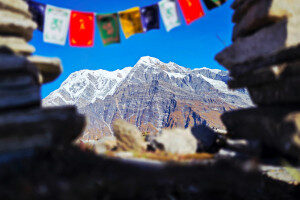
Day-to-day
The Mardi Himal trek offers an unforgettable experience in Nepal’s Annapurna region, with breathtaking views, tranquil forests and an authentic atmosphere. During this 5- to 7-day trek, you’ll walk through picturesque villages, dense rhododendron forests and vast mountain meadows, whilst watching the impressive Machhapuchhare (Fishtail) and the Annapurna mountains rise up in the distance. Highlights of the trek include the panoramic views from the Upper View Point at 4,200 metres, the breathtaking sunrises, and the chance to experience local culture in small-scale lodges and homestays. The trek is perfect for both experienced and novice trekkers seeking adventure in the Himalayas, away from the crowds of the more famous routes. Our day-by-day itineraries provide a detailed overview of each stage of the trek, including walking distances, elevation changes and the most beautiful sights you’ll encounter along the way.
-
Day 1: Transfer from Kathmandu to Pokhara - 7 to 8 hours
Private Car Journey from Kathmandu to Pokhara
After breakfast, you will depart by private car towards Pokhara, one of Nepal’s most popular destinations. The approximately 200-kilometer drive winds through hilly landscapes, past green rice fields, rivers, and traditional villages. Along the way, you will get a beautiful glimpse of Nepalese rural life. The drive takes about 7 to 8 hours, depending on traffic and road conditions. Arrival in Pokhara in the afternoon.TIP: Lorem ipsum dolor sit amet, consetetur sadip scing elitr, sed diam nonumy eirmod tempor invidunt ut labore et dolore magna.

-
Day 2: Transfer from Pokhara to Kande – Trek to Pothana (approx. 1890 m)
After breakfast, you will be picked up at your hotel in Pokhara by your guide. Together, you will depart by car or jeep to the starting point of the trekking in Kande, about an hour and a half’s drive away.
From Kande, you start the walk via a stone staircase that winds up through the forest. Along the way, you enjoy nature, with monkeys jumping from branch to branch and the singing of birds in the background.
After hiking for about an hour and a half, you reach Australian Camp, a beautifully situated spot with panoramic views of the Annapurna mountain range and Manaslu. With a bit of luck, you might also see birds of prey soaring at the end of the ridge.
From Australian Camp, you follow a stone path that takes you further through the forest to Pothana, where you will spend the night.
Travel distance by vehicle: approx. 40 km
Travel time: approx. 1.5 hours
Walking distance: approx. 6 km
Walking time: approx. 3 hours -
Day 3: Trek to Forest Camp (approx. 2600 m)
Today, the hike begins on a stone path that takes you from Pothana to the Pitam Deurali viewpoint (2,142 m). This spot offers a beautiful panoramic view of the impressive peaks of the Annapurna range. On a clear day, you can see the Machhapuchhare (Fishtail) and Annapurna South, among others, emerging above the tree line. With a bit of luck, you might also spot birds of prey soaring above the ridge.
After a short break, the trek continues towards Forest Camp. This section of the route takes you through lush and quiet forests full of rhododendrons and oaks. The path is varied—with both uphill and downhill sections—but never extremely strenuous. Along the way, it is often pleasantly quiet, with only the rustling of leaves and birdsong for company. Especially in spring, the forest is full of blooming rhododendrons, which makes the walk extra special.
Forest Camp is a simple, remote place in the middle of the forest where you spend the night. The lodges here are simple, but offer a hot meal and a cozy atmosphere, often around a wood fire.
Walking distance: approx. 9 km
Walking time: 3 to 5 hoursFor nature lovers, this day is highly recommended: the peaceful forest environment and the chance to spot wildlife, such as colorful birds or even monkeys, make this part of the trek special. This is also a great day of walking for families with children: the path is not too technical and offers enough variety to keep it interesting. The mystical atmosphere of the forest, the soft moss underfoot and the views along the way make it an experience that will stay with young and old.
-
Day 4: Trek to Badal Danda (3250 m)
Today you continue walking uphill from Forest Camp towards Badal Danda. The path gradually winds its way upwards through an ever-changing forest landscape. As you climb higher, the vegetation becomes more lush: the rhododendrons increase and the forest appears almost fairytale-like with moss-covered trunks, tree ferns, and soft carpets of lichens.
You pass Low Camp, a beautiful spot to catch your breath and enjoy the first impressive views of Machhapuchhre (also known as ‘Fishtail Mountain’) and the valley deep below. Afterwards, you hike on to Badal Danda, which literally means ‘cloud terrace’. Here you stay on an open ridge, often just above the clouds, with a panoramic view that is particularly breathtaking at sunrise and sunset.
Walking distance: approx. 10 km
Walking time: approx. 4 to 5 hours -
Day 5: Trek to High Camp (3550 m)
Today you continue trekking upwards to High Camp. Although the distance is relatively short, it ascends steadily and you walk at a higher altitude. The path winds through a varied forest landscape, where rhododendrons give way to lower shrubs and grasslands as you climb higher.
Along the way, you are rewarded with spectacular views of Hiunchuli Peak and Annapurna South. Shortly after, when you reach the other side of the ridge, extraordinary panoramas open up towards Machhapuchhare (the iconic ‘Fishtail’) and the impressive Annapurna massif. High Camp itself is situated in a beautiful location and is the ideal base for the hike to the viewpoint the following morning.
Walking distance: approx. 5 km
Walking time: approx. 4 hours -
Day 6: Hike to Upper View Point (4200 m) and trek from High Camp back to Badal Danda (3250 m)
Early in the morning, you set off towards Upper View Point, the highlight of this trek — literally and figuratively. In clear weather, the view is simply phenomenal. You stand face to face with an impressive panorama of the Himalayas. The following peaks, among others, are visible:
Annapurna I (8091 m), Annapurna South (7219 m), Hiunchuli (6441 m), Baraha Shikhar (Fang) (7647 m), Tent Peak (5695 m), Singachuli (6501 m), Ganggapurna (7454 m), Gandharwachuli (6248 m), a small peak of Annapurna III (7555 m), both peaks of Machhapuchhare (Fishtail) (6997 m), Mardi Himal (5553 m), and even the Machhapuchhare Base Camp (MBC). In extremely clear weather, you can even see the villages of Sinuwa and Chhomrong in the distance.Upon returning to High Camp, you enjoy a well-deserved breakfast, after which you begin the descent to Badal Danda. Along the way, you get one last beautiful view of the path you have traveled.
Hike to Upper View Point: approx. 7 km, 2 to 3 hours
Descent to Badal Danda: approx. 5 km, 1.5 hoursFor those looking for an extra challenge, it is possible to continue to the Mardi Himal Base Camp (4500 m). If there is snow, this is quite a dangerous hike, and you will need crampons. This hike takes about 2.5 hours extra there and back from the viewpoint.
-
Day 7: Trekking from Badal Danda to Kalimati
After breakfast, you begin the descent towards the lower-lying Kalimati. You walk once again through the green forest that you traversed earlier during the ascent. The path first leads you back to Forest Camp, where you change direction and continue descending through a damp, dense forest full of ferns, mosses, and rhododendrons.
After hiking for about two hours, you reach charming Kalimati, an authentic mountain village with stunning views over the valley. Here you will spend the night in a simple, eco-friendly lodge supported by the local community — a special place to let your trek wind down peacefully.
Walking distance: approx. 11 km
Walking time: 4 to 5 hours -
Day 8: Trek to Lumre & drive to Pokhara
Today is the last day of your hiking adventure. You depart from peaceful Kalimati after breakfast and follow the path further downhill towards civilization. The trail runs through small villages and agricultural terraces, offering beautiful views of the valleys and hills below along the way. The vegetation changes once again: from dense forest to open farmland.
After hiking for about 3 hours, you reach the village of Lumre, where a vehicle is waiting for you for the transfer back to Pokhara. The drive takes about 2 hours, depending on road conditions. Once back in Pokhara, you can enjoy a hot shower, a comfortable bed, and perhaps even a well-deserved dinner by Lake Phewa.
Walking distance: approx. 8 km
Walking time: approx. 3 hours
Drive Lumre – Pokhara: approx. 2 hours -
Day 9: Drive to Kathmandu - approx. 7 to 8 hours
Today you will travel back to the capital, Kathmandu, by private car. You will follow the same scenic route as on the way there, once again passing valleys, rivers, and villages. The drive takes approximately 7 to 8 hours, with plenty of opportunities to take a break along the way. Upon arrival in Kathmandu, you will be dropped off at your hotel.


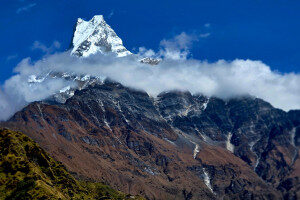


Overnight stays
Accommodation during the Mardi Himal Trek
During the Mardi Himal trek, you will stay in simple yet comfortable teahouses, which are ideal for trekkers seeking an authentic experience in the mountains. The teahouses are small-scale, often run by local families, and offer a warm and welcoming atmosphere. Accommodations range from simple rooms with wooden beds and mattresses to rooms with views of the surrounding mountains. Expect basic amenities, such as shared bathrooms, but the peace and nature around you make it all worthwhile.
It is important to know that the quality of accommodations can vary depending on the location. As you ascend, facilities may be simpler, especially in the remote areas of the trek. However, the lack of amenities is more than compensated for by the stunning nature and the views of the Himalayas that surround you every day.
Standard Hotel in Pokhara
For the first and last night of your trip, you will stay in a comfortable standard hotel in Pokhara. This hotel offers a quiet and cozy atmosphere, with modern amenities such as Wi-Fi, hot showers, and comfortable rooms. It is the ideal base to relax and rest before or after your trek. The hotel is conveniently located, allowing you to easily explore the beautiful Lake Phewa, discover the city, or visit one of the many restaurants Pokhara has to offer.

Price Information
The price for the Mardi Himal trek is:
Adults: from € (to be confirmed) per person, based on two people
Inclusief
- Private car drive from Kathmandu to Pokhara
- Briefing with the guide for the trek
- 2 nights in a standard hotel in Pokhara
- Transfer to the starting point of the trek in Kande
- 6 nights in standard teahouses
- 6x breakfast, 6x lunch, 6x dinner
- English-speaking guide (his salary, insurance, meals, accommodation and transport)
- Porter for your luggage - 1 porter per 2 people - max. 18 kg (his wages, insurance, meals, transport and accommodation)
- Required trekking documents
- Transfer from the end point of the trek in Lumre to Pokhara
- Private car drive from Pokhara to Kathmandu
Exclusief
- Entrance fees and donations at cultural sites
- Stay in Kathmandu
- Lunch and dinner during transport and in Pokhara
- Tips for guide, porter, and driver
- Drinks & desserts
- Personal expenses (snacks, Wi-Fi, hot water for showers in teahouses,...)
- Visa for Nepal
- International flight tickets
- Travel and cancellation insurance
- Everything not explicitly mentioned under inclusive
Practical
Are you considering the Mardi Himal trek? On this page, you will find all the practical information you need to prepare properly. This trek is particularly suitable for active travelers aged 55+ and families looking for a quieter and shorter route in the Nepalese Himalayas, away from the crowds. The trek takes you through forests, alpine meadows, and mountain ridges to just below the iconic Machhapuchhre (Fishtail Mountain), with breathtaking views of the Annapurna range along the way.
From hiking times to accommodations, from elevation changes to weather conditions – in the Q&As below, we answer the most frequently asked questions so that you can set off well-informed and with confidence.
-
How difficult is the Mardi Himal trek?
The Mardi Himal trek is of moderate difficulty. The trails are easy to follow and the daily distances are manageable. There are a few steeper sections, particularly towards High Camp, but these are easily manageable with plenty of rest breaks.
-
What is the best time to travel for the Mardi Himal trek?
The best time to travel is during spring and autumn: from March to May and from October to early December. During these periods, the views are clear, the weather is pleasant, and the flowers are in bloom. The trek is also possible in winter, although it may snow and be cooler. This trek is also possible during the monsoon.
-
Will we be staying in basic or comfortable lodges?
You’ll be staying in small-scale lodges that are simple yet cosy. At lower altitudes, the standard of comfort is a little higher; at higher altitudes, the facilities are more basic, but still clean and well-maintained. You’ll be staying in double rooms; the bathroom may be shared. Don’t expect luxury, but do expect a warm welcome.
-
How high will we go on this hike?
The highest point is the Mardi Himal View Point, at around 4,200 metres. However, you won’t be sleeping at that altitude; you’ll be spending the night at High Camp (approx. 3,580 metres), which reduces the risk of altitude-related issues.
-
Is the Mardi Himal trek suitable for beginners?
Yes, provided you are in reasonably good physical condition and do not suffer from knee problems or balance issues. This trek is ideal for hikers with an adventurous spirit who have not previously hiked at high altitudes.
-
Can I use a porter?
Yes, on our Mardi Himal trek, a porter carries your main luggage. This allows you to hike comfortably with just a daypack. We recommend this for travelers who want to make the hiking easier and enjoy the hiking days at a leisurely pace.
-
How many hours do we walk per day?
On average, you will hike 4 to 6 hours a day. On the longest day to Upper View Camp and back down via High Camp, this might be slightly more, but the guide will adjust his pace to suit you.
-
Is there Wi-Fi or signal during the trip?
Wi-Fi is available in some lodges for a fee, but expect limited coverage. In emergencies, contact is always possible via the guide. This is a great opportunity to truly unwind.
-
What kind of view can I expect on the Mardi Himal trek?
From various points along the way, and especially at High Camp and the View Point, you get a breathtaking view of Machhapuchhre, Annapurna South, Hiunchuli, and Mardi Himal itself. At sunrise, the panoramas are unforgettable.
-
Is this trek suitable for families with children?
This trek is manageable for active families with children aged about 8 and up who have hiking experience. The paths are safe and the distances are not too great. However, it is important that children enjoy walking longer distances.
-
Do we also visit a base camp during the Mardi Himal trek?
Yes, during the Mardi Himal trek you reach the Mardi Himal Base Camp, located at an altitude of approximately 4,500 meters. This is the highest point of the trek and offers an impressive panoramic view of the south side of the Machhapuchhre (the “Fishtail”) and the Annapurna massif. The base camp is situated above the tree line, in a rugged mountain landscape, and is an absolute reward after a gradual climb through forests, alpine meadows, and ridges. Do keep in mind, however, that the weather and your physical condition will determine whether you visit the actual base camp or stop at the viewpoint at High Camp (approx. 3,580 meters), which offers a spectacular view in itself.

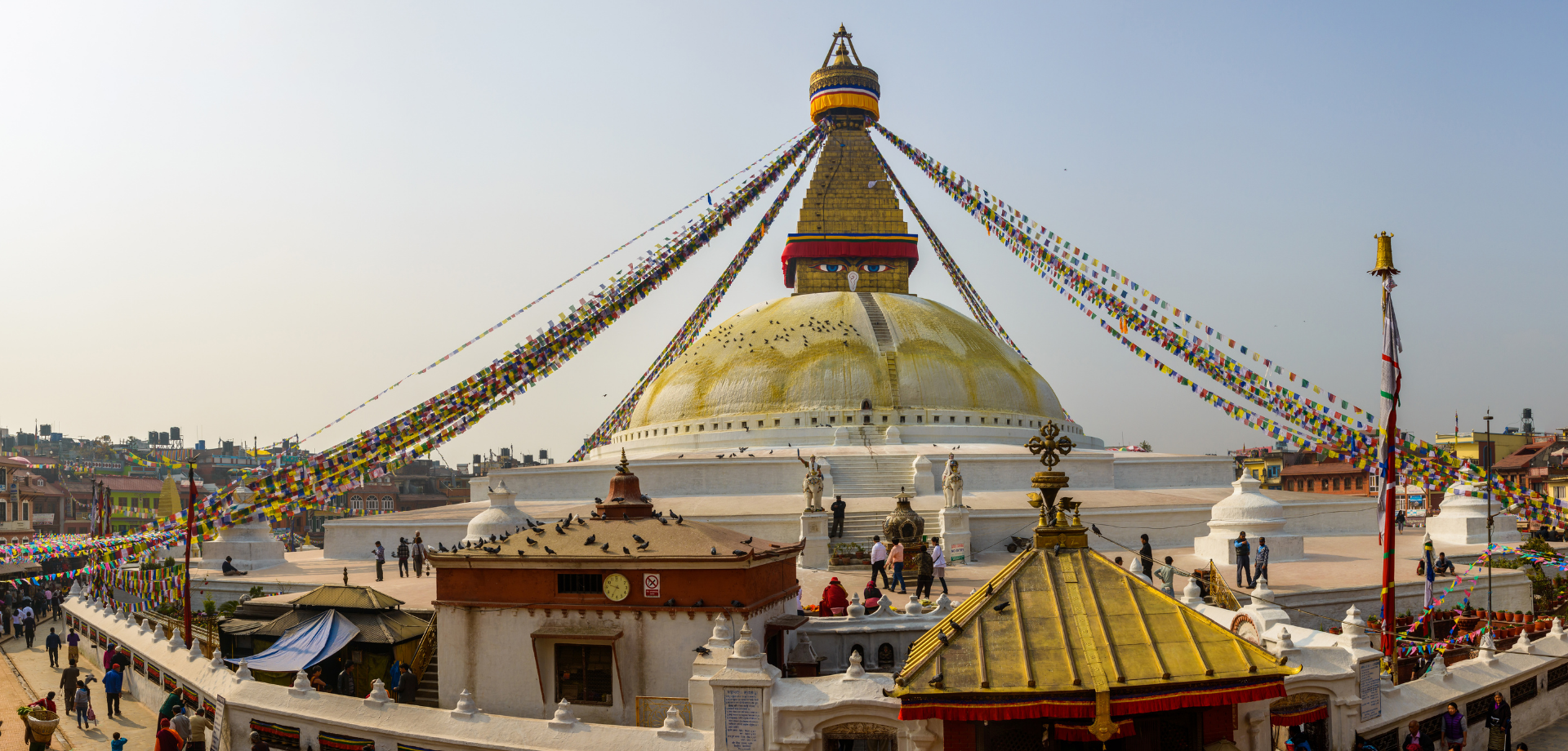
Trekking in Nepal with guides who truly care about you
Our guide Chhoisang Lama and sherpa Gaknaht were wonderful people. Perfect guides for anyone looking to trek in Nepal.

- Mardi Himal trek
- April 2025
Reliable family business with an eye for detail: our beautiful Langtang experience
I highly recommend Nepal Inside Out. It is a family business with a long history of experience in travel and trekking across the region.
- Roundtrip with Langtang trekking
- April 2025
Travel safely and well cared for through Nepal thanks to a fantastic team
We always felt safe and well looked after.
- Roundtrip with Lower Annapurna trek
- March 2025
An unforgettable family trip with trekking in Nepal during the Easter holidays
We were also so glad to have made this trip as a whole family and to witness the interactions between the local people and our children.
- Family trrip with 4-days trekking
- April 2024
Nepal with the family? This trip exceeded all our expectations!
Many thanks to the wonderful team at Nepal Inside Out! They went above and beyond to organise our trip through Nepal with great care. The Langtang trek was beautiful, and we were accompanied by a kind guide and two brilliant porters who helped us enormously.
- Roundtrip with Tamang / Langtang valley trekking
Discover beautiful Nepal with Nepal Inside Out.
From breathtaking views to beautiful trails and warm evenings together. Nothing is too much trouble, and every effort is made to make the trip truly memorable. Many thanks and highly recommended for anyone wanting to discover Nepal with Nepal Inside Out.
- Roundtrip with Mardi Himal trekking
- November 2024
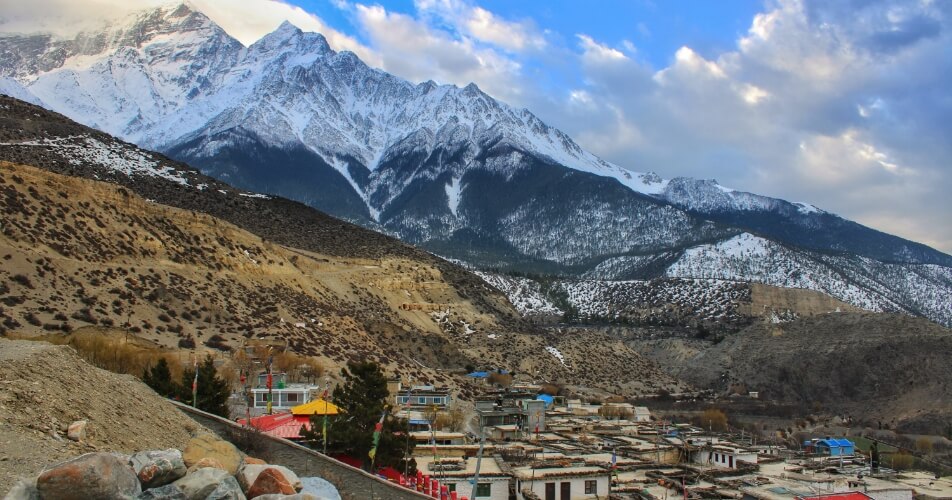
Perfect 3-week tour through Nepal
Maaike and Chuda put together the perfect three-week trip through Nepal for us, including adventurous treks with stunning views, cultural visits with knowledgeable guides, and truly enriching encounters with local Nepali communities. The whole team is well organised and made up of genuinely dedicated people who act quickly whenever something is needed or something has not gone to plan. Highly recommended for anyone looking to book a trip to Nepal.
- Roundtrip with Mardi Himal trekking
- October 2023
Excited about Nepal?
Lorem ipsum dolor sit amet, consetetur sadip scing elitr, sed diam nonumy eirmod tempor invidunt ut labore et dolore magna. Lorem ipsum dolor sit amet, consetetur sadip scing elitr.
View our trips Travel proposal